
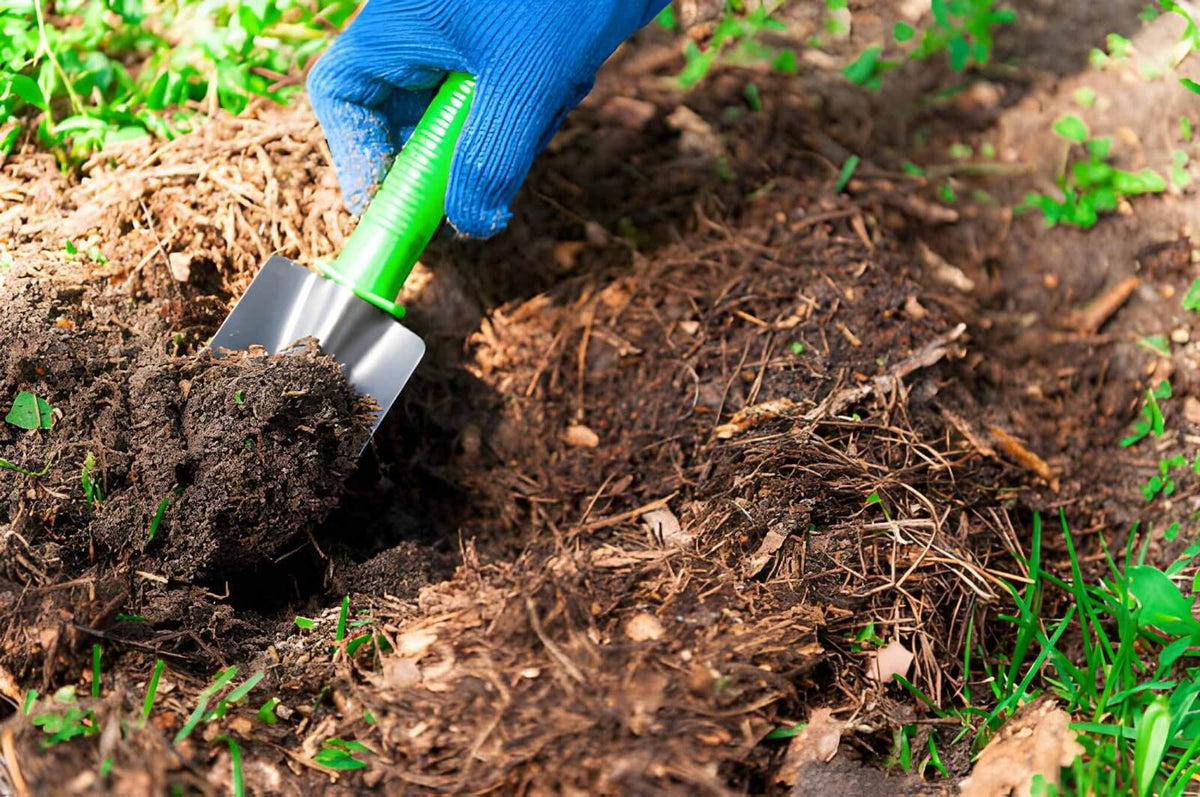
The mulch you choose may make or ruin your landscaping. Mulch that protects plants, retains moisture, and enhances soil is essential in Ohio's changing environment, which includes scorching summers, chilly winters, and copious amounts of rainfall.
Let's explore the type of mulch is best for landscaping in Ohio.
Table of Contents
- What Type Of Mulch Is Best For Landscaping In Ohio?
- Why Is Mulch Essential In Ohio's Climate?
- Which Organic Mulch Options Are Best For Ohio?
- What Is The Most Durable Type Of Organic Mulch?
- Organic Vs Inorganic Mulch: Which Is Better?
- What Type Of Mulch Is Best For Landscaping Flower Beds?
- What Type Of Mulch Is Best For Landscaping Vegetable Gardens?
- How Much Does Mulch Cost In Ohio?
- What Is The Ideal Mulch Thickness?
- When Is The Best Time To Mulch In Ohio?
- What Type Of Mulch Is Best For Landscaping Slopes?
- Common Mulch Mistakes To Avoid
- Final Thoughts
What Type Of Mulch Is Best For Landscaping In Ohio?
Organic mulch, such as compost, bark, or shredded hardwood, is ideal for landscaping in Ohio.
These options increase soil health, manage seasonal weather variations, and hold onto moisture. Gravel and other inorganic mulch are useful for drainage areas, but do not improve the soil.
Why Is Mulch Essential In Ohio's Climate?
Mulch insulates roots in the winter, retains moisture in the summer, and protects soil from changes in temperature.
Mulch is necessary for plant life in Ohio due to the country's freeze-thaw cycles.
Key Benefits:
-
-
-
-
- Maintains soil moisture during dry times
- Stops the growth of weeds
- Regulates the temperature of the soil
- Prevents erosion caused by excessive rain
- Enhances soil as it decomposes (organic mulch)
-
-
-
Does Mulch Help In Winter?
Yes. It protects plant roots from the damaging effects of freezing temperatures.
How Often Should Mulch Be Changed?
It is recommended to replace organic mulch once a year or whenever it starts to decompose.
Which Organic Mulch Options Are Best For Ohio?
The best organic options are compost, bark mulch, and shredded hardwood. They are perfect for Ohio environments since they decompose gradually and enhance soil quality over time.
Bark Mulch
-
-
- Accessible in chips or nuggets
- Beneficial for drainage
- It breaks down more slowly
- Accessible in chips or nuggets
-
Compost or Leaf Mulch
-
-
- Packed with nutrients
- Ideal for gardens
- Significantly improves soil structure
- Packed with nutrients
-
Shredded Hardwood Mulch
-
-
- Durable and reasonably priced
- Remains in place when it rains a lot
- Excellent for trees and flower beds
- Durable and reasonably priced
-

What Is The Most Durable Type Of Organic Mulch?
Because bark mulch decomposes more slowly than shredded hardwood, it lasts longer.
Does Compost Work Well As Mulch?
Yes, but it needs to be replaced often because it breaks down more quickly.
Should Inorganic Mulch Be Used In Ohio?
For drainage zones or attractive areas, inorganic mulch such as rubber or gravel works best. Although it lasts longer than organic mulch, it does not benefit the soil.
Common Types:
-
-
- Gravel or stone
- Landscape fabric (under layers)
- Rubber mulch
- Gravel or stone
-
Pros
-
-
- Durable
- Minimal maintenance
- Suitable for slopes and pathways
- Durable
-
Cons
-
-
- Can heat up in summer
- Greater initial expenses
- No soil improvement
- Can heat up in summer
-
Organic Vs Inorganic Mulch: Which Is Better?
Most Ohio landscapes benefit from organic mulch because it promotes plant vitality.
For certain applications, such as walkways or places with drainage problems, inorganic mulch works well.
|
Feature |
Organic Mulch |
Inorganic Mulch |
|
Cost |
$ |
$$ to $$$ |
|
Soil Benefits |
Improves soil |
None |
|
Lifespan |
1 year |
Several years |
|
Maintenance |
Moderate |
Low |
|
Best For |
Plants, gardens |
Paths, decorative areas |
Can Inorganic And Organic Mulch Be Combined?
Yes. Apply inorganic mulch to borders or sidewalks and organic mulch around plants.
What Type Of Mulch Is Best For Landscaping Flower Beds?
The ideal product for flower beds in Ohio is shredded hardwood mulch. As it breaks down, it retains moisture, keeps weeds at bay, and blends in well with the soil.
Why It Is Effective:
-
-
- Sturdy but lightweight
- Gradually replenishes soil
- Simple to spread
- Sturdy but lightweight
-
Other Choices:
-
-
- Pine bark for aesthetic purposes
- Compost for beds rich in nutrients
- Pine bark for aesthetic purposes
-
What Type Of Mulch Is Best For Landscaping Vegetable Gardens?
For vegetable gardens, compost or leaf mulch is the best choice. It enhances soil structure and supplies nutrients, which promotes better crop growth.
Benefits for Gardens:
-
-
-
-
- Increases soil fertility
- Supports beneficial microbes
- Enhances water retention
- Increases soil fertility
-
-
-
Tips:
-
-
-
-
- Add two to three inches of mulch
- Keep mulch away from the stems of plants
- Apply again during the growing season
- Add two to three inches of mulch
-
-
-
Is It Possible To Use Wood Mulch In Vegetable Gardens?
Yes, but avoid putting it directly on planted soil and instead keep it near pathways.
How Much Does Mulch Cost In Ohio?
The type and quality of mulch affect the cost. The cost of organic mulch is typically lower than that of inorganic options.
Average Costs:
-
-
- Bark Mulch: $30 to $50 per cubic yard
- Compost: $20 to $35 per cubic yard
- Gravel: $50 to $100 per cubic yard
- Shredded Hardwood: $25 to $40 per cubic yard
- Bark Mulch: $30 to $50 per cubic yard
-
Cost Tips:
-
-
- Purchase in bulk to cover a large area
- Compare local suppliers
- Take delivery costs into mind
- Purchase in bulk to cover a large area
-
What Is The Ideal Mulch Thickness?
Apply mulch that is two to four inches thick. This depth keeps moisture and weeds under control without obstructing water or air.
Application Tips:
-
-
- Two inches of fine mulch (compost)
- Three to four inches of wood mulch
- Don't stack mulch on top of plant stems
- Two inches of fine mulch (compost)
-

When Is The Best Time To Mulch In Ohio?
In Ohio, mulching is best done in the spring and fall. Fall mulch protects roots from the winter cold, while spring mulch helps in moisture retention.
Seasonal Guide:
-
-
-
-
-
Spring: Keep moisture and avoid weeds
-
Summer: Retain moisture in the heat
-
Fall: Provide winter insulation for roots
- Winter: Minimal application needed
-
Spring: Keep moisture and avoid weeds
-
-
-
Can You Mulch During The Summer?
Yes, but in order to retain moisture, irrigate the soil first.
What Type Of Mulch Is Best For Landscaping Slopes?
For slopes, shredded hardwood mulch works best since it adheres more firmly than chips or nuggets. When it rains a lot, it doesn't wash away.
Other Options:
-
-
- Pine straw (good grip)
- Rubber mulch (for erosion control)
- Pine straw (good grip)
-
Common Mulch Mistakes To Avoid
Plants may suffer from improper mulch application or use.
Stay Away To These Mistakes:
-
-
- Using very thick mulch
- Making use of new wood chips that absorb nitrogen
- Creating a "mulch volcano" by piling mulch up against tree trunks
- Choosing ornamental mulch above practical requirements
- Using very thick mulch
-
Final Thoughts
Depending on their demands, Ohio homeowners should choose the type of mulch is best for landscaping. Organic mulch, such as shredded hardwood or bark, is ideal for most yards. It works well in Ohio's climate, preserves plants, and enhances soil.
Inorganic mulch can be used for low-maintenance or aesthetically pleasing reasons, but it shouldn't be used in place of organic mulch in planting areas.
You can preserve the health, elegance, and ease of maintenance of your landscape throughout the year by choosing the appropriate mulch and applying it correctly.
