
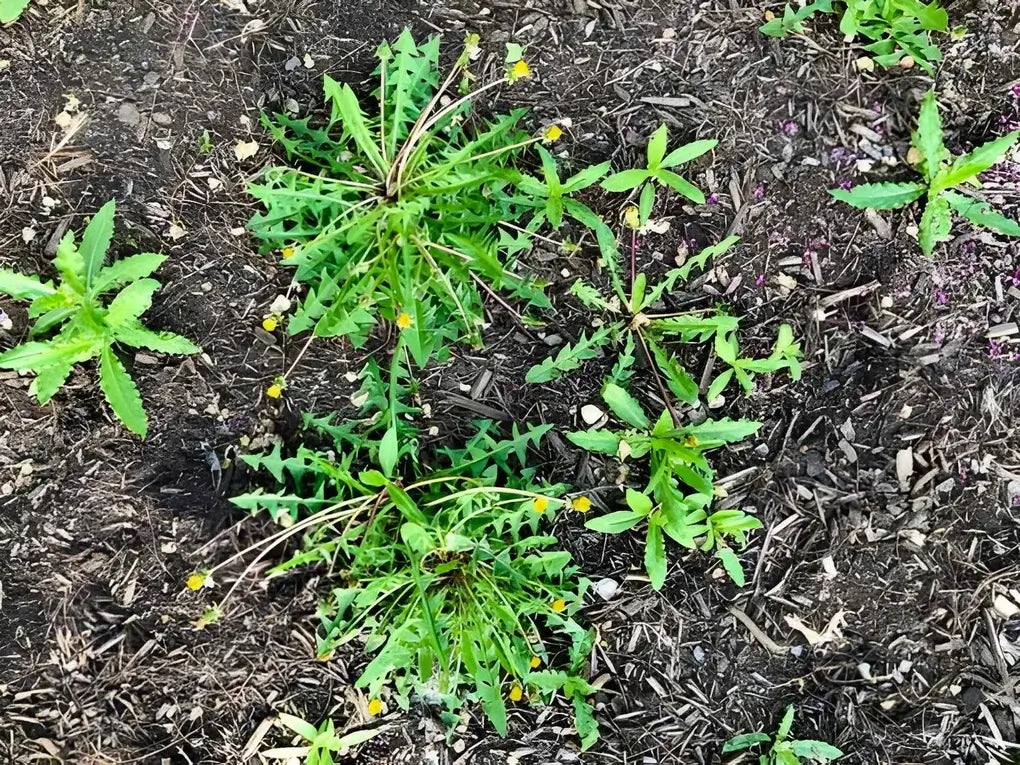
You're not the only one whose garden beds are being overrun by weeds. Every season, Ohio gardeners struggle with persistent weed pressure. The good news is that most weeds may be prevented before they ever break the surface by using the proper mulch.
Does mulch help with weeds? Yes, and this guide explains how to make it work in the Ohio climate.
Table of Contents
-
Does Mulch Help With Weeds?
-
What Type Of Mulch Prevents Weed Growth The Best?
-
How Much Mulch Is Needed To Prevent Weed Growth?
-
When Is The Best Time To Mulch In Ohio?
-
Does Mulch Help With Weeds Better Than Landscape Fabric?
-
How To Make The Most Of Mulch For Weed Control?
-
Is Mulch Worth It For Ohio Homeowners?
- Final Thoughts
Does Mulch Help With Weeds?
Yes, mulch reduces weed growth by blocking sunlight. For most weed seeds to sprout, they require light. Mulch that is 2 -4 inches thick blocks the light, which stops germination and lowers the amount of weeds that sprout. It significantly lessens the burden, but it won't get rid of every weed.
Mulching garden beds is one of the best low-maintenance methods you can utilize in Ohio, where spring rains and warm summers provide perfect conditions for weed growth.
Does Mulch Help With Weeds That Are Already Growing?
Before adding mulch, pull any grown weeds. Mulch works best as a preventative measure since it prevents the growth of new weeds rather than existing ones.

What Type Of Mulch Prevents Weed Growth The Best?
Not every mulch works in the same way. While some types remain dense for longer, others break down very quickly. Here is a brief comparison of the most popular options:
|
Mulch Type |
Weed Control |
Lifespan |
Best For |
|
Hardwood bark |
Excellent |
2 to 3 years |
Garden beds, trees |
|
Wood chips |
Very good |
1 to 2 years |
Pathways, large areas |
|
Straw |
Good |
6 to 12 months |
Vegetable gardens |
|
Pine needles |
Moderate |
1 to 2 years |
Acid-loving plants |
|
Rubber mulch |
Excellent |
5 to 10 years |
Playgrounds, borders |
The best options for Ohio homeowners dealing with weed management are wood chips or hardwood bark mulch. They are commonly accessible at local garden centers, keep dense, and decompose slowly.
Is Rubber Mulch Effective At Controlling Weeds?
Because rubber mulch doesn't easily shift or break down, it's one of the best solutions for preventing weed growth. However, it doesn't enhance the health of the soil and can get extremely hot in the summer; be aware of this for plant roots that are close to the surface.
How Much Mulch Is Needed To Prevent Weed Growth?
Depth is really important. If it's too thin, weeds will grow through. If it is too thick, you run the risk of suffocating the roots of your plants.
-
-
2 inches is a good amount of protection for well-established beds.
-
3 inches is the ideal size for most of Ohio's gardening
- 4 inches is the maximum for high weed pressure or fresh beds
-
2 inches is a good amount of protection for well-established beds.
Don't go past 4 inches, as this could lead to root rot and water blockage.
Mulch should be kept 2- 3 inches away from tree trunks and plant stems. Mulch that is piled up against stems retains moisture and encourages disease.
When Is The Best Time To Mulch In Ohio?
The timing of your mulch application has a significant impact on weed prevention. Mulching should be done before weed seeds sprout, not after.
Early Spring (March To April)
Best time to apply. Prevents summer annual weeds.
Late Fall (October To November)
Preserves soil throughout the winter and suppresses winter annuals.
After Weeding
For best results, always remove any existing weeds before mulching.
Due to its climate, Ohio experiences dry periods in the summer and heavy rainfall in the spring. Mulch helps control both by keeping soil moisture during dry periods and preventing weed seeds from washing in.
How Often Should Mulch Be Replaced In Ohio?
In Ohio's climate, most of organic mulches decompose in a year or two. Every spring, top off or replace the mulch to keep it at the 3-inch depth required for effective weed control.
Does Mulch Help With Weeds Better Than Landscape Fabric?
Both are well-liked options, but they function differently. Mulch naturally suppresses weeds, whereas landscape fabric blocks them mechanically. Here's a simple comparison:
|
Feature |
Mulch |
Landscape Fabric |
|
Weed control |
Very good |
Excellent (short-term) |
|
Soil health |
Improves over time |
Can degrade soil |
|
Cost |
Low to moderate |
Moderate |
|
Maintenance |
Annual top-off |
Replacement every 3 to 5 yrs |
|
Best for |
Garden beds, trees |
Paths, under gravel |
Many gardeners in Ohio use both, with mulch on top and fabric underneath. This effectively suppresses weeds while maintaining the yard's natural, clean appearance.
How To Make The Most Of Mulch For Weed Control?
It's not difficult to apply mulch properly, but a few habits have a significant impact:
- Weed completely before mulching; do not trap weeds underneath
- For further protection in heavily weeded areas, apply a pre-emergent herbicide in advance
- To maintain the right depth, replace the mulch every spring
- Choose mulch with a dark color to better absorb heat and prevent weed seeds
If utility companies offer free wood chips, stay away from them if you think they might contain weed seeds.

Is Mulch Worth It For Ohio Homeowners?
Absolutely. Mulching offers more advantages than just weed control. As it decomposes, mulch maintains soil moisture, controls soil temperature, and boosts soil health. Mulching is one of the best things you can do for your garden in Ohio's diverse environment, which fluctuates from chilly winters to hot, muggy summers.
Maintain consistency year after year by starting with clean beds and adding new mulch in the early spring. Both your garden and your back will appreciate it.
Does Mulch Help With Weeds In Ohio?
Yes, constantly. When properly applied, a 3-inch layer of high-quality mulch can cut down on weeding time by as much as 70%. That means you'll spend more time enjoying your garden and fewer weekends pulling weeds.
Final Thoughts
Does mulch help with weeds? Without a doubt, yes. It's one of the simplest and least expensive ways for gardeners in Ohio to maintain clean garden beds throughout the growing season. The secret is to apply it appropriately, using the appropriate type for your landscape, at the appropriate depth, and at the appropriate time.
A regular 3-inch layer of mulch makes a big difference, whether you're mulching a flower bed, a vegetable garden, or the area around trees. You'll spend a lot less time on your knees this year if you mix it with early spring scheduling and a thorough weeding session beforehand.
It's an easy step that pays off every year. If you haven't mulched yet, now is the ideal time to get started.
