
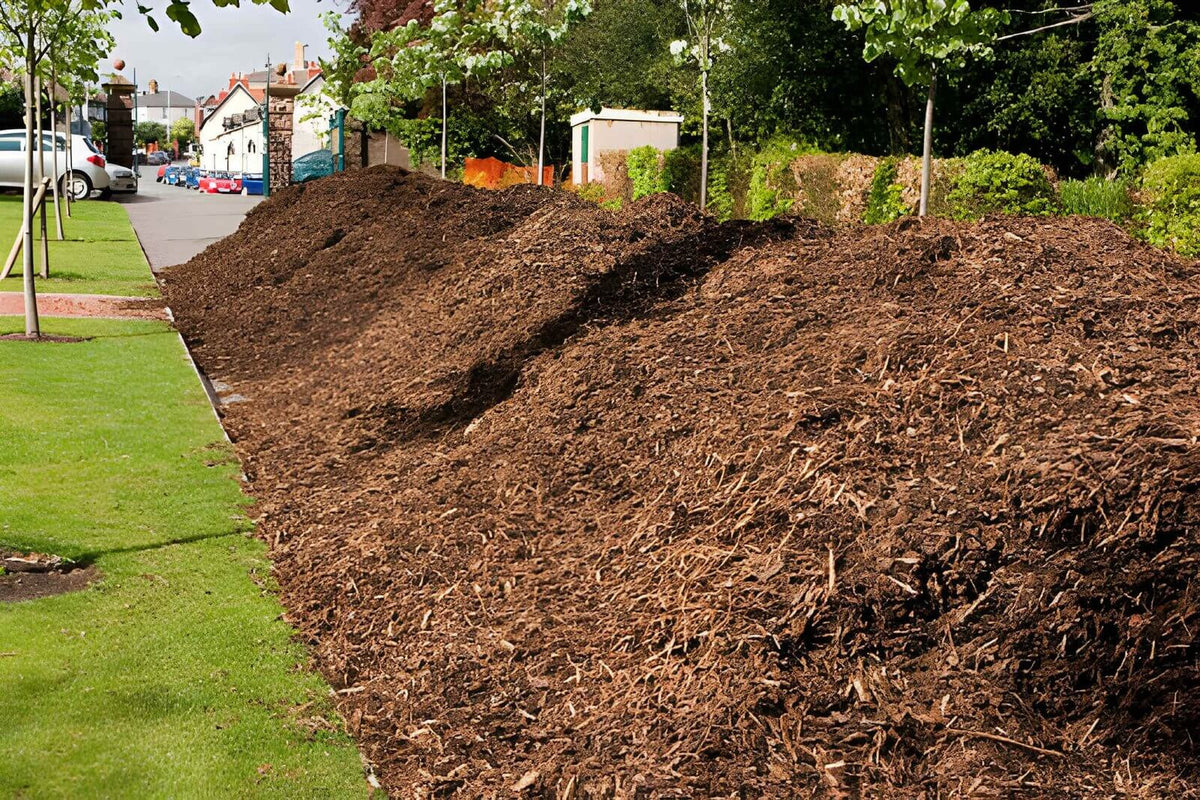
One of the easiest methods to keep a yard looking tidy, healthy, and well-maintained is to apply mulch. It protects plant roots, inhibits weed growth, and retains moisture. However, mulch is a safety concern in Ohio and not just a landscape option.
Mulch that was not properly maintained or positioned has been implicated in a number of significant fires throughout the state in recent years. As a result, in order to save people, property, and buildings, several cities and fire departments now have particular mulch regulations.
Understanding Ohio's mulch laws can benefit you if you're a contractor, property manager, landlord, or homeowner.
Table of Contents
- Why Ohio Has Mulch Regulations?
- Does Ohio Have Statewide Mulch Laws?
- Common Mulch Regulations In Ohio Cities
- Special Rules For Multi-Family And Commercial Properties
- Who Is In Charge Of Adhering To Mulch Regulations?
- How Ohio Inspects Mulch?
- Easy Ways To Keep Compliant
- How Often Should Mulch Be Replaced?
- Conclusion
Why Ohio Has Mulch Regulations?
Despite its seemingly peaceful appearance, mulch can provide a fire risk in certain situations.
Here’s why:
- When mulch burns, it can spread fire to siding, decks, and roofs
- It can dry up quickly in hot weather
- It can be ignited by cigarettes, sparks, or embers
Numerous mulch-related fires have occurred in Ohio close to offices, schools, and apartment complexes. In order to lower risk, these occurrences forced municipal building officials and fire marshals to establish more stringent mulch restrictions.
The goal is simple, stop mulch from acting as an entry point for fire to enter structures.
Does Ohio Have Statewide Mulch Laws?
The building code in Ohio does not provide a single statewide mulch law. Rather:
· Local cities and counties establish their own mulch regulations
· Fire departments frequently enforce these laws
· The Ohio Fire Code offers broad fire safety guidelines
Thus, mulch rules may differ depending on the area
For example:
- Cincinnati
- Cleveland
- Columbus
- Dayton
- Toledo
Each might have slightly varying material, depth, and distance rules.
Tip: Before laying mulch, make sure to check with the fire department or building department in your area.

Common Mulch Regulations In Ohio Cities
Although regulations differ, many Ohio cities adhere to comparable safety standards. These are the most typical mulch rules that you need to be aware of.
1. Minimum Distance From Buildings
Mulch must be kept away from buildings in the majority of cities.
Typical standards consist of:
-
-
-
- Mulch should not come into contact with siding or foundations
- It should be 12 to 24 inches away from building walls
- Gravel or rock can be placed next to walls instead
-
-
Not doing this makes a fire break between the building and the landscaping.
2. How High Should Mulch Be Against a House?
If you're wondering how high should mulch be against a house, the answer is that mulch should not be piled directly against siding, walls, or the foundation. Keep mulch about 12 to 24 inches away from the building where local rules require a clearance, and maintain a mulch depth of about 2 to 3 inches in landscape beds.
This helps reduce moisture problems and limits the chance of fire spreading from the mulch to the structure.
3. Maximum Mulch Depth
An excessive amount of mulch raises the risk of heat accumulation and fire.
Common depth limits:
-
-
-
- 2 to 3 inches for decorative beds
- Never place more than 4 inches of mulch against trees or walls
-
-
Deep mulch is especially hazardous since it retains heat and dries slowly.
4. Approved And Restricted Mulch Types
Mulch is handled differently.
Frequently permitted:
-
-
-
- Compost-based mulch
- Pine bark
- Shredded hardwood
-
-
Sometimes discouraged or restricted:
-
-
-
- Rubber mulch
- Dyed mulch with high oil content
- Highly flammable synthetic products
-
-
Because rubber mulch burns fiercely and emits harmful smoke, some Ohio cities have banned it from being placed next to buildings.
5. No Mulch Under Decks Or Balconies
Typical areas of greatest risk are:
-
-
-
- Beneath balconies
- Beneath wooden decks
- Next to stairways and exits
-
-
Numerous mulch rules in these areas require:
-
-
-
- Bare soil
- Concrete pavers
- Gravel
- Stone
-
-
These materials slow the spread of fire and don't burn.
Special Rules For Multi-Family And Commercial Properties
The rules governing mulch can be more stringent if you manage or build the following:
- Apartments
- Condos
- Hotels
- Offices
- Schools
The following are typical commercial rules:
- Greater clearances (24–36 inches)
- Non-flammable borders next to exits
- Frequent mulch inspections
- Written fire safety plans
These properties are frequently inspected by fire marshals once a year.
Who Is In Charge Of Adhering To Mulch Regulations?
Generally, the type of property determines responsibility.
For Homeowner
You are in charge of:
-
-
-
- Properly installing mulch
- Maintaining it
- Correcting violations if found
-
-
Being unaware of the rule is not an excuse.
For Landscapers And Contractors
You can be in charge of:
-
-
-
- Understanding local mulch laws
- Installing in accordance with code
- Providing clients with suitable guidance
-
-
Poor installation may result in lost contracts, liability claims, and failed inspections.
For Property Managers
You are required to:
-
-
-
- Maintaining safe mulch conditions throughout the year
- Replacing hazardous mulch with better materials
- Promptly responding to fire department notices
-
-
 How Ohio Inspects Mulch?
Mulch inspections typically take place:
- During construction permit reviews
- After customer complaints
- During fire safety inspections
- After local fire accidents
The following are usually checked by inspectors:
- Distance from walls
- Mulch depth
- Material type
- Condition (dry, compacted, or moldy)
Penalties, correction orders, written warnings, and required removal or replacement are all possible outcomes of violations.
Easy Ways To Keep Compliant
Adhering to mulch regulations doesn't have to be difficult. Here are some easy ways to maintain code compliance and safety.
- Mulch should be kept at least 12 to 24 inches away from structures
- Limit depth to 2–3 inches
- Avoid stacking mulch up against the siding
- Use gravel borders next to walls
Ongoing Maintenance Tips
-
-
- Water the mulch when it gets dry
- Compacted parts should be broken up
- Old, deteriorating mulch should be removed
- Mulch that smells sour or feels hot should be replaced
-
Smart Material Choices
-
-
- Choose natural hardwood mulch
- Stay away from rubber near buildings
- Use stone in high-risk areas
-
These minor decisions significantly lower the risk of fire.
How Often Should Mulch Be Replaced?
Over time, old mulch may become more hazardous.
General guidelines:
- Replace mulch every one to two years
- Remove any moldy or decayed mulch
- Replace thin layers rather than piling on top
Mulch regulations can be broken and depth limits exceeded by having too many layers.
Conclusion
Mulch is more than just a decorative element for your landscaping; depending on how it is used, it can either protect or jeopardize your property. You may lower the risk of a fire, prevent expensive violations, protect persons and property, and create safer landscapes by being aware of and abiding by Ohio's mulch regulations.
Knowing the rules before you spread a single scoop makes all the difference, whether you're a contractor overseeing a big job or a homeowner updating a flower bed.
Safe mulch is smart mulch, and it's mandated by law in Ohio.
