
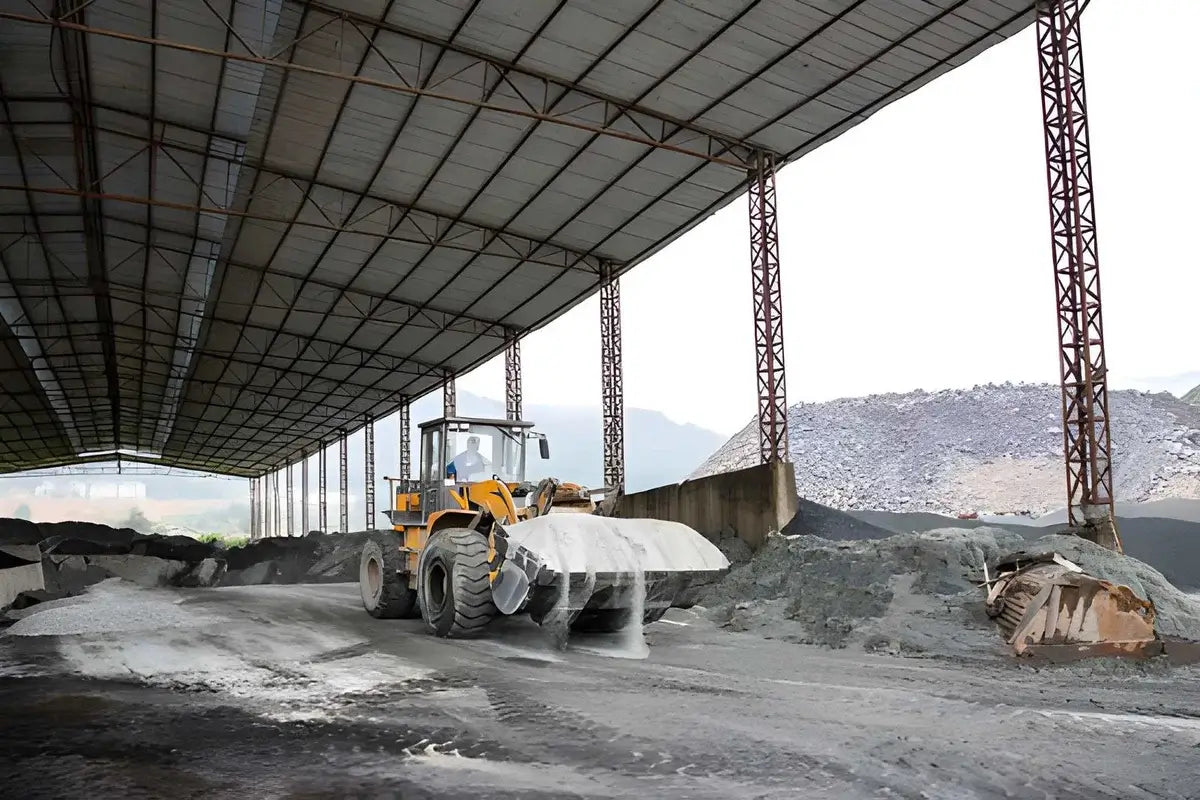
If you choose the wrong mix, your driveway could crack before it even turns five years old. No single aggregate is best for every concrete project; the right choice depends on your project, budget, and climate. Crushed stone provides strength, natural gravel keeps costs low, and sand improves workability. This guide explains the best aggregate for concrete to help you make an informed decision.
Table of Contents
-
What Are The Different Types Of Concrete Aggregate In Fort Mill, SC?
-
What Is The Difference Between Natural Gravel And Crushed Stone?
-
Why Does Sand Matter For Concrete Strength?
-
How Does Fort Mill, SC Climate Affect Your Aggregate Choice?
-
What Is The Best Aggregate For Concrete On A Budget?
-
When Is It Best To Use Each Type Of Aggregate In Fort Mill, SC?
-
Conclusion
- Frequently Asked Questions
What Are The Different Types Of Concrete Aggregate In Fort Mill, SC?
Concrete aggregate can be either coarse, fine, or recycled. Each contributes differently in terms of finish, cost, and strength. They make up 60 to 75% of any concrete mix when mixed together.
Coarse Aggregate
Gravel and crushed stone bigger than ½ inch are considered coarse aggregate. It provides the load-bearing strength of concrete.
Fine Aggregate
Mostly sand makes up fine aggregate. It fills in spaces left by bigger stones and helps pouring the mixture.
Recycled Aggregate
Crushed concrete or asphalt is used to make recycled aggregate. Although it's a little weaker, it costs less and makes fewer waste materials.
They are all useful in different ways. These three things are usually mixed together in concrete mixes to get the best balance of strength, cost, and finish. Skipping one type, like using too little sand, can make the final slab weak or full of air pockets.

What Is The Difference Between Natural Gravel And Crushed Stone?
The two most popular coarse aggregates are natural gravel and crushed stone. The rough, angular shape of crushed stone improves bonding. Natural gravel is less expensive, easier to pour, and smoother.
Crushed Stone
Concrete has greater structural strength because crushed stone bonds together securely. It lasts longer under strong loads but costs more.
Natural Gravel
Natural gravel is rounded and is collected directly from quarries or riverbeds. It doesn't cost much and works well for general fill.
Blended Stone-Gravel Mixes
It is common for suppliers to sell a mix of both that has already been mixed. This mix strikes a good balance between price and strength for most home projects.
|
Feature |
Crushed Stone |
Natural Gravel |
|
Shape |
Angular |
Rounded |
|
Bond Strength |
High |
Moderate |
|
Cost |
$$ |
$ |
|
Best For |
Driveways, structural slabs |
Foundations, general fill |
Can Gravel And Crushed Stone Be Mixed?
Yes, A lot of contractors mix the two to get the lowest cost and strength. This mixture performs well for slabs that do not require optimal load-bearing capability.
The decision between the two is a matter of durability versus budget. Crushed stone is worth the extra cost if your project needs to weigh a lot.
Why Does Sand Matter For Concrete Strength?
Sand makes concrete smoother and denser by filling in the tiny spaces between coarse aggregate particles. Concrete gets rough, weak, and easy to crack when it doesn't have enough sand. The right amount of stone to sand is just as important as the type of stone.
Fine Sand
A smoother finish is made with fine sand. It is perfect for decorative concrete, patios, and sidewalks.
Coarse Sand
Coarse sand supports the structure better. It works well with load-bearing slabs and foundations.
Well-Graded Sand
Different-sized sand is called "well-graded sand." It's easier for water or air to get into this range because it packs tighter.
- Changes the end texture of the surface
- Impacts long-term crack resistance
- Lessens empty spaces and air pockets
- Makes pouring easier to do
Sand quality is always the first thing a good mason looks for. Using clean, well-graded sand is one of the easiest ways to improve concrete performance without significantly increasing costs. Commonly, weak concrete is caused by sand that is dirty or not properly graded.
How Does Fort Mill, SC Climate Affect Your Aggregate Choice?
Aggregate performance is affected by climate over time. Freeze-thaw cycles can break porous stone, and heat and dryness make it lose water faster while it cures. Early damage can be avoided by choosing the best aggregate for concrete.
- Cold And Freeze-Thaw Climates: Compared to porous limestone, dense, low-absorption stones like granite or trap rock are more resistant to freeze-thaw cracking.
- Hot And Dry Climates: During the curing process, lighter-colored aggregate helps avoid surface cracking by reflecting heat and slowing moisture loss.
- Humid And Wet Climates: Aggregate that drains well and absorbs little water helps in the uniform curing of concrete and prevents mold and discoloration over time.
For instance, contractors near Fort Mill, SC often mix crushed limestone with sand for driveways because the clay-heavy soil and freeze-thaw winters in the area require the best aggregate for concrete that doesn't get damaged by water.
The weather is something you have to think about because it has a direct effect on how long your concrete lasts. Always match the type of aggregate to the weather patterns in your area.
What Is The Best Aggregate For Concrete On A Budget?
Natural gravel or recycled aggregate are the most cost-effective options for most projects. Both are stronger than crushed stone and cost less than crushed stone. They can be used for driveways, patios, and sidewalks.
- Lower-Cost Options: Compared to crushed stone, natural gravel and recycled concrete aggregate are usually 20 to 40% less expensive.
-
Long-Term Maintenance: If the aggregate is not correctly graded and compacted before pouring, it may require extra maintenance.
|
Aggregate Type |
Relative Cost |
Maintenance Level |
|
Crushed Stone |
$$ |
Low |
|
Natural Gravel |
$ |
Low |
|
Fine Sand |
$ |
Medium |
|
Recycled Aggregate |
$ |
Medium |
Although it's smart to save money up front, skipping quality checks can lead to more expensive repairs down the road. Weigh the cost vs the weight and weather your project will encounter.

When Is It Best To Use Each Type Of Aggregate In Fort Mill, SC?
Aggregate type should be matched to the particular project, not merely the price tag. Picking the right one depends on the load, the exposure, and the finish needs.
Walkways And Driveways
Vehicle weight and foot traffic are best handled by crushed stone or a mixture of stone and gravel.
Footings And Foundations
Coarse sand mixed with natural gravel offers dependable, reasonably priced structural support.
Decorative Concrete
Patios and countertops require a smooth finish, which is produced by fine sand and small aggregate.
- Budget Or Eco Projects: recycled aggregate
- Decorative Surfaces: fine sand blends
- Heavy Load Areas: crushed stone
- Standard Foundations: natural gravel
Although there is no one-size-fits-all solution, matching aggregate to job type lowers expenses and cracks.
Conclusion
There isn't just one best aggregate for concrete; the most suitable aggregate for your particular project is what matters. Natural gravel is more affordable, crushed stone is stronger, and sand unifies all mixtures.
When placing your order, consider your load requirements, budget, and climate. You can make your concrete last for decades if you do things right.
Frequently Asked Questions
1. What is the best aggregate for concrete overall?
There isn't one best type for every job. Crushed stone suits heavy-load projects. Natural gravel fits general budgets. Sand always plays a supporting role in every mix.
2. Can you mix different aggregate types in one batch?
Yes, and most concrete already blends coarse and fine aggregate. Combining crushed stone, gravel, and sand is standard practice. This balances strength, cost, and workability in a single pour.
3. Does aggregate size affect concrete strength?
Yes, size affects strength and finish quality. Larger aggregate adds bulk strength but rougher texture. Smaller aggregate smooths the surface but can reduce load capacity slightly.
4. How do I check aggregate quality before buying?
Look for clean, well-graded material free of dirt or clay. Reputable suppliers test aggregate against ASTM C33 grading standards. Ask for a gradation report before your delivery arrives.
5. Is recycled aggregate a good substitute for the best aggregate for concrete?
Recycled aggregate works well for non-structural uses like fill, walkways, or garden slabs. It's slightly weaker than virgin stone. For load-bearing work, blend it with fresh crushed stone or gravel.
