
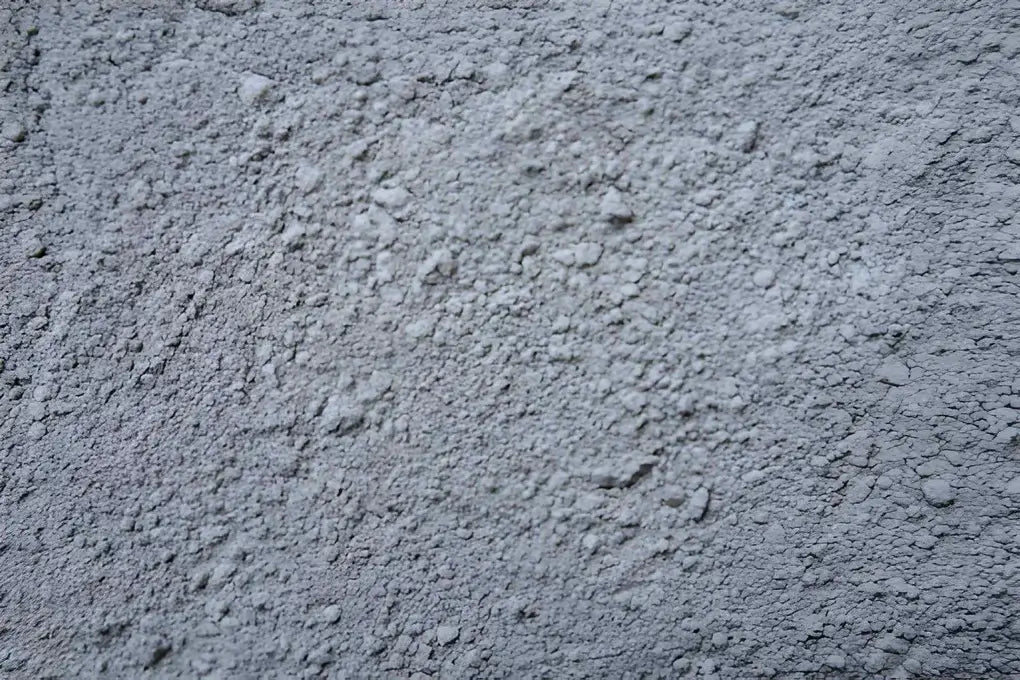
Choosing the right sand is the first step to building a strong driveway, patio, or base. If you choose the wrong sand, you could see cracks in just one year.
If you've ever wondered, "What is concrete sand?" you're asking the exact question that every Fort Mill, South Carolina contractor needs to know before they pour even one slab.
This guide simplifies everything so you may confidently plan your project.
Table of Contents
- What Is Concrete Sand In South Carolina?
- How Is Concrete Sand Made?
- What Are The Common Uses Of Concrete Sand?
- How Much Does Concrete Sand Cost In Fort Mill, South Carolina?
- How Does Concrete Sand Differ From Other Types Of Sand?
- How Do You Choose The Right Concrete Sand For Your Project?
- Conclusion
- Frequently Asked Questions
What Is Concrete Sand In South Carolina?
Concrete sand is a coarse, clean sand added to concrete mixtures as a filler and bonding agent. Screens are used to remove clay, silt, and organic matter so that the mixture mixes well with cement and gravel.
It is graded to meet ASTM C33 standards for construction use by suppliers in Fort Mill, South Carolina.
What Makes Concrete Sand Different?
Compared to beach or play sand, concrete sand has bigger, more angular granules. It sticks to the cement paste better because it has a rougher surface.
Why Is Concrete Sand Important For Building?
Concrete may deteriorate over time, settle unevenly, or crack if the sand is not graded correctly. Concrete sand creates a denser, more durable mixture by filling in the spaces between gravel particles.
Concreting projects depend on concrete sand, and knowing what it is can help you avoid expensive repairs in the future.

How Is Concrete Sand Made?
Mining pits or riverbeds are used to get concrete sand, which is then washed and screened to get rid of any impurities. Only particles between 0.15 and 5 mm are retained by machines that sort grains according to size. This method guarantees that each batch meets construction-grade standards.
Washing And Grading
Clay and dust are removed from raw sand by passing it through water jets and vibrating screens. Only uniform, clean grains proceed to the next phase.
Quality Testing Standards
Samples are tested in labs for organic content, moisture content, and gradation. Before it reaches project sites, sand that does not pass ASTM C33 testing is rejected.
-
- Excavation from approved sand pits
- Cleaning to get rid of silt and clay
- Checking for uniform grain size
- ASTM C33 compliance testing in the lab
- Bulk or bagged delivery to construction sites in Fort Mill, SC
This meticulous process is why knowing the nature of concrete sand is just as important as knowing what it is used for. Ensuring quality at every stage protects your investment.
What Are The Common Uses Of Concrete Sand?
Understanding sand mix concrete uses can help you choose the right material for your project. Concrete sand is commonly mixed with cement and gravel to create structural concrete for supports, slabs, sidewalks, and foundations. It can also be used in mortar for masonry and as a leveling base beneath pavers.
Foundation And Structural Work
Concrete sand improves the way the mixture cures and bonds together, strengthening patios, driveways, and building foundations.
Hardscape Base And Paver
As a compacted ground layer, it keeps patio stones and pavers level and stops them from moving after it rains a lot.
Knowing the multiple uses for concrete sand helps homeowners to plan projects with the appropriate materials from the start.
How Much Does Concrete Sand Cost In Fort Mill, South Carolina?
Depending on the amount and delivery distance, concrete sand normally costs between $20 and $50 per ton. The cost per unit is higher for small home loads, but it is lower for bulk orders. Delivery costs might range from $50 to $150, depending on where you live.
Cost-Related Considerations
|
Order size |
Bulk orders cost less per ton |
|
Delivery distance |
Farther sites raise delivery fees |
|
Supplier |
Local Fort Mill, South Carolina yards often beat big-box pricing |
|
Season |
Spring and summer demand can raise prices |
Delivery And Pickup Options
Most providers let you choose between bulk delivery and self-pickup. Self-pickup saves you money on delivery fees.
If you want to find fair prices for your project size quickly, get quotes from a few local companies.

How Does Concrete Sand Differ From Other Types Of Sand?
Mason sand, which is used for smooth mortar bonds, has a fine texture, whereas concrete sand has coarser, angular grains designed for strength. Although fill sand is less expensive, it does not have the grading required for structural work. Concrete that is weak and crumbles can be avoided by choosing the appropriate type.
|
Sand Type |
Grain Size |
Best Use |
|
Concrete Sand |
Coarse |
Concrete mixes, structural work |
|
Mason Sand |
Fine |
Mortar, smooth finishes
|
|
Fill Sand |
Mixed, unwashed |
Grading, backfill |
Choosing the wrong sand for the job is what leads to weak mortar joints or drainage problems down the road.
For a full breakdown of concrete sand vs. mason sand vs. sharp sand including cost, climate fit, and which one to pick for your project see our complete sand comparison guide.
The key to a long-lasting building vs one that fails quickly is matching the type of sand to the project.
How Do You Choose The Right Concrete Sand For Your Project?
The type of project, the climate in your area, and ASTM C33 compliance should all be taken into consideration when choosing concrete sand. The freeze-thaw winters of Fort Mill, South Carolina necessitate well-graded, crack-resistant sand. Make sure the supplier tests every batch at all times.
Climate Considerations In South Carolina
Properly graded sand minimizes cracking and shifting during the winter months because freeze-thaw cycles stress concrete.
Sand Matching To Project Type
Paver bases can use a slightly finer, more compactable mix, but foundations require coarser grades for strength.
-
-
- Confirm ASTM C33 certification
- Adjust the grain size to the type of project you are working on
- Ask about local sourcing for freshness
- Ask for a report on the moisture and gradation test
- Get more than one quote and compare prices
-
Time, money, and future repairs can be avoided by spending a few minutes researching the best concrete sand for your project.
Conclusion
So, what is concrete sand? It is a coarse-grained, washed sand that bonds to gravel and cement to create durable, robust concrete. ASTM C33-graded sand is particularly crucial for driveways, foundations, and patios that must last year after year due to Fort Mill, South Carolina's freeze-thaw winters.
You should choose the right concrete sand to protect your investment and your safety when you're pouring a new road, putting down pavers, or mixing mortar. Before your next pour, confirm ASTM C33 compliance, work with a reputable, local provider, and compare several cost estimates. That will make sure that your project in Fort Mill, South Carolina lasts for many years.
Frequently Asked Questions
1. Is concrete sand the same as regular sand?
No, concrete sand is washed and graded specifically for construction use. Regular sand from a beach or playground lacks ASTM certification. Using regular sand in a concrete mix can weaken the finished structure.
2. How much concrete sand do I need?
This depends on your project's square footage and depth. Most contractors calculate the amount in cubic yards. Local Fort Mill, SC suppliers can help estimate the exact quantity for you.
3. Can I use concrete sand for landscaping?
Yes, concrete sand works well as a base under pavers and patios. It's not ideal for planting beds because it drains too quickly for most plants. Stick to topsoil or fill sand for garden areas instead.
4. Where can I buy concrete sand in Fort Mill, South Carolina?
Most local landscaping supply yards and building material stores carry concrete sand. Home improvement stores often sell smaller bagged amounts for minor repairs. For bulk orders, contact a Fort Mill, SC sand and gravel supplier directly. Ask if they deliver to save time and hauling costs.
5. Can I mix concrete sand myself at home?
Yes, you can mix concrete sand with cement, gravel, and water for small projects. Follow the bag instructions for the correct ratio and water amount. Mix in small batches so it doesn't harden before you finish pouring. Larger jobs are easier with a rented mixer.
6. What happens if you use the wrong sand in concrete?
The wrong sand can weaken the mix and cause cracking or crumbling. Unwashed sand often contains clay or organic matter that blocks proper bonding. This leads to a shorter lifespan for driveways, sidewalks, and foundations. Always confirm ASTM C33 grading before you buy.
7. Is concrete sand eco-friendly or sustainable?
Concrete sand is a natural material mined from approved pits and riverbeds. Many suppliers now follow regulations that limit environmental impact during extraction. Buying locally in Fort Mill, SC also reduces transport emissions. Ask your supplier about their sourcing practices if sustainability matters to you.
