
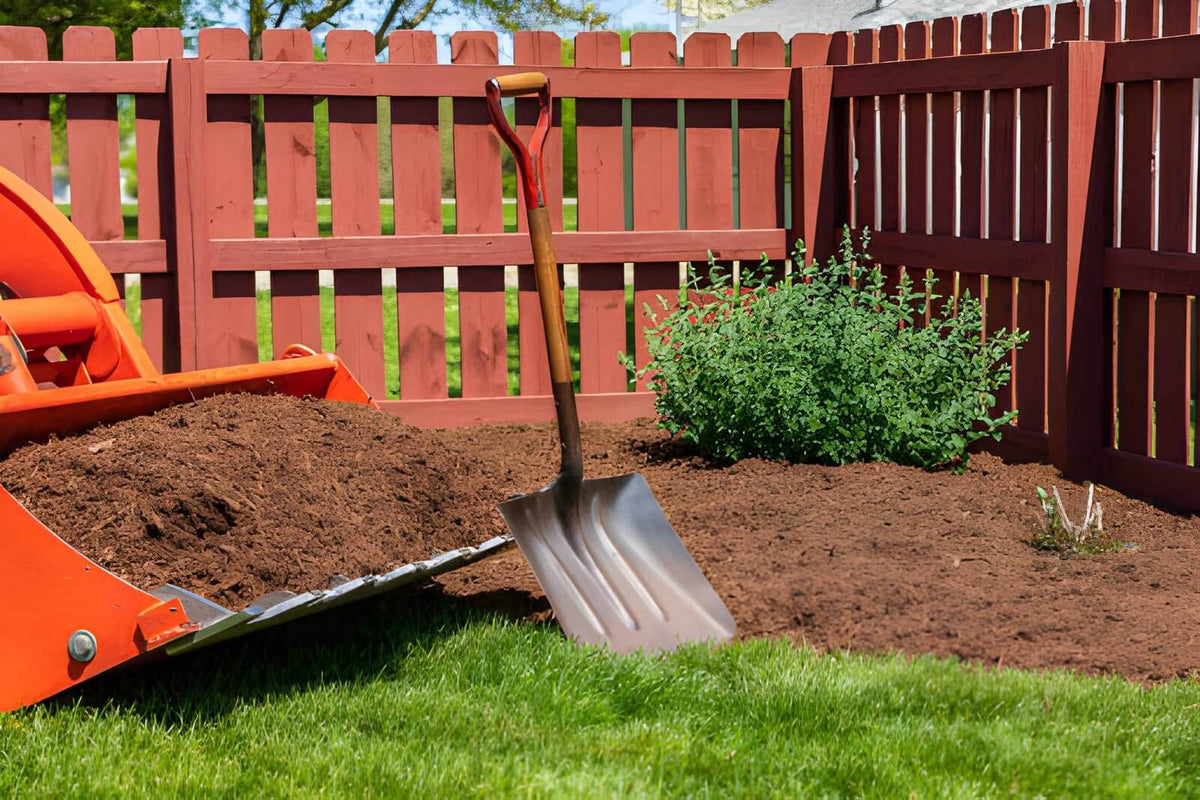
Mulch might seem to be an easy landscaping detail. However, it comes with actual regulations and accountability for Ohio businesses. Mulch is more than just decorative; it also protects the environment and prevents fires.
You must understand commercial mulch compliance if you run or own a business in Ohio. There may be fines, risk to safety, and even legal issues if local and state regulations are violated.
The good news? You might be surprised at how simple it is to stay in compliance.
Table of Contents
- Commercial Mulch Compliance: What Is It?
- Why Ohio Regulates Mulch On Commercial Properties
- Mulch Types And Their Regulations
- Commercial Mulch Fire Safety Regulations
- Environmental Rules Businesses Must Follow
- Local City And County Ordinances
- Delivery And Storage Rules For Businesses
- Compliance: Who Is In Charge?
- Common Mulch Compliance Mistakes
- Ohio Penalties and Fines
- How To Maintain Compliance
- When To Call A Professional
- Conclusion
Commercial Mulch Compliance: What Is It?
Complying with state and local regulations for the purchase, storage, placement, and maintenance of mulch on businesses is known as commercial mulch compliance.
These regulations prioritize:
-
-
- Fire safety
- Environmental preservation
- Public health
- Stormwater management
- Local zoning regulations
-
There isn't just one mulch law in Ohio. Rather, regulations originate from the following sources:
-
-
- County zoning laws
- State Fire Codes
- Environmental regulations
- Local city ordinances
-
This implies that businesses need to review both local and state regulations.
Why Ohio Regulates Mulch On Commercial Properties
Although mulch appears harmless, its usage can lead to major issues.
Fire Risks
Rubber and dry wood chips are two examples of mulch kinds that might catch fire. Mulch may even heat up and burn itself in large quantities.
Pest Problems
Insects, rats, and termites can be drawn to improper mulch.
Public Safety
In addition to obstructing pathways, loose mulch can result in trips and falls.
Water Pollution
Storm drains may get clogged with mulch. This can contaminate rivers and lakes and clog systems.
Ohio takes commercial compliance seriously due to these hazards.

Mulch Types And Their Regulations
According to Ohio regulations, not all mulch is handled equally.
Common Mulch Types
-
-
- Wood mulch made from bark, chips, and shredded wood
- Rubber mulch made from recycled tires
- Stone or gravel mulch
- Compost mulch
-
Businesses should be aware of the following:
1. Wood Mulch
-
-
- It should not be piled too high
- It must be kept away from buildings
- It requires proper moisture control
-
2. Rubber Mulch
-
-
- Frequently prohibited near buildings
- It may be prohibited in some towns
- It has strict fire safety regulations
-
3. Compost Mulch
-
-
- It must adhere to quality standards
- It must not smell strongly
- It must not seep into drains
-
Be sure to review local regulations before choosing mulch.
Commercial Mulch Fire Safety Regulations
One of the most important aspects of Ohio's commercial mulch compliance is fire safety.
Important Fire Safety Regulations:
-
-
- Mulch should be kept at least 18 inches away from buildings
- Deep mulch layers should be avoided (typically no more than 2-4 inches)
- Mulch should not be piled against doors or walls
- Mulch should be kept away from heat sources
- Rubber mulch should not be placed next to structures
-
Certain localities mandate:
-
-
- Frequent moisture checks
- Fire breaks between mulch sites
- Fire-resistant mulch
-
Mulch areas may also be inspected by your local fire department.
Environmental Rules Businesses Must Follow
Ohio has strict environmental rules that influence the use of mulch.
Stormwater Rules
Mulch must not:
-
-
-
- Enter stormwater systems
- Wash into the streets
- Obstruct drains
-
-
Businesses might need:
-
-
-
- Drainage controls
- Barriers or edging
- Routine storm cleanup
-
-
Pollution Control
Mulch must not:
-
-
-
- Have chemical coats
- Have treated wood
- Leach hazardous substances
-
-
Commercial mulch compliance requirements can be met in part by using clean, untreated mulch.
Local City And County Ordinances
Every Ohio city has the authority to establish its own mulch regulations.
The following topics may be covered by local regulations:
-
-
- Mulch depth restrictions
- Approved mulch types
- Storage needs
- Delivery schedules
- Placement zones
-
For instance:
-
-
- Cincinnati may control mulch storage mounds
- Columbus may establish fire safety spacing
- Cleveland may restrict rubber mulch
-
Always confirm with:
-
-
- Local fire department
- Public works department
- City zoning office
-
Check local regulations every year because they may change.
Delivery And Storage Rules For Businesses
Another important aspect of commercial mulch compliance is mulch storage.
Best Practices for Storage:
-
-
- Mulch heaps should be kept low and dispersed
- Store away from buildings
- Maintain moist
- Cover during dry weather
- Runoff should be avoided
-
Rules for Delivery
Certain Ohio cities regulate:
-
-
-
- Delivery times
- Roads for truck access
- Locations for unloading mulch
-
-
Fines or complaints may result from breaking delivery rules.

Compliance: Who Is In Charge?
Mulch compliance is typically the responsibility of business owners. However, other people might also be held accountable.
Accountable Parties:
-
-
- Landscaping contractors
- Business tenants
- Property managers
- Property owners
-
The business owner may still be penalized even if a contractor installs mulch.
Professional Tip:
-
-
- Include compliance guidelines in your landscaping contracts
- Request that contractors abide by all local mulch regulations
- Keep records of mulch installations and purchases
-
It helps keep your business and employees safe.
Common Mulch Compliance Mistakes
A lot of businesses breach the law without realizing it.
Common Mistakes:
-
- Using types of mulch that are prohibited
- Ignoring fire safety spacing
- Blocking walkways or drains
- Piling mulch too high
- Placing mulch too close to buildings
- Neglecting to check for local regulations
You can maintain compliance with commercial mulch regulations by avoiding these mistakes.
Ohio Penalties and Fines
Penalties vary depending on the offense and the city.
Potential consequences include:
-
-
- Warning notices
- Fines
- Mulch removal orders,
- Fire code violations
- Business license issues
-
Higher fines may result from repeated violations.
How To Maintain Compliance
It's not difficult to adhere to commercial mulch compliance regulations.
Simple Steps:
-
-
- Verify the mulch regulations in your city
- Use mulch types that have been approved
- Adhere to fire safety spacing
- Regulate drainage and runoff
- Maintain thin mulch layers
- Inspect mulch once a month
- Provide staff and contractors with training
-
Make a mulch plan:
-
-
- Choose safe mulch
- Map areas covered with mulch
- Establish maintenance plans
- Assign accountability
-
A basic plan prevents problems and saves time.
When To Call A Professional
Some problems require professional assistance.
Contact a professional if you have:
-
-
- Large mulch storage piles
- Rubber mulch installations
- Fire code issues
- Drainage issues
- City violation notices
-
Commercial mulch compliance requirements can be met with the assistance of a certified landscaper or fire safety inspector.
Conclusion
Although mulch might not seem like much, it has a significant impact on Ohio businesses.
You can protect your property, your employees, and the brand of your business by being aware of commercial mulch compliance, according to local regulations, and employing safe procedures.
Review your mulch setup now. A few minor adjustments can have a significant impact.
