Brush, branches, soil, mulch, and aggregates all behave differently once they reach processing equipment. That’s why there isn’t one screening or grinding setup that suits every job. A contractor handling land-clearing debris may need grinding to reduce bulky material, while a landscaping business may need screening to produce a more consistent product. Some projects benefit from both steps. When planning commercial material screening and grinding in Ohio, be ready to describe your material, estimate the volume, and explain how you’ll use the finished product. This guide covers common materials, equipment, service options, pricing considerations, and the questions worth asking before you schedule a crew.
Key Takeaways
- Match the process to your material and goal: Grinding reduces bulky material; screening sorts it by size. Some projects need both.
- Share project details before requesting a quote: Identify the material, condition, volume, target size, and intended use.
- Confirm the full scope before booking: Ask about accepted materials, equipment, site access, scheduling, hauling, setup, and extra fees. Get pricing and responsibilities in writing.
What Are Commercial Material Screening and Grinding?
Commercial screening and grinding are methods for processing bulk materials so they can be sorted, reduced in size, reused, or prepared for another step. Screening separates material by size and can remove oversized pieces or debris. Grinding breaks bulky material into smaller pieces. Contractors, landscapers, municipalities, and other businesses may use these services for materials such as greenwaste, wood waste, soil, compost, and aggregates.
The right process depends on what a load contains and what you need the finished material to do. A landscaping contractor may want screened soil or mulch in a consistent size, while a business handling brush or land-clearing debris may need grinding to make the material easier to manage. Some projects need just one service; others combine screening and grinding to sort and refine material after it has been reduced. Commercial screening and grinding services can help prepare eligible materials for reuse, resale, or further processing. Before booking, share the material type, approximate volume, condition, and intended use so the provider can confirm what equipment and processing steps are appropriate.
Screen material by size and remove debris
Screening uses equipment with openings that separate material into different size ranges. Smaller pieces pass through, while larger pieces remain for additional handling. Depending on the equipment and the material, screening can help refine soil, mulch, compost, or aggregates for a project’s specifications.
This process can make a stockpile more consistent and separate out oversized debris. For example, a contractor preparing material for landscaping may need a more uniform product than an unprocessed pile can provide. Screening can also help sort material for reuse or resale.
Before arranging service, describe the material and the size range you need. Ask what debris the provider can remove and whether the processed material will suit its intended use. The composition and condition of the load affect the result, so mention mixed materials or possible contamination up front.
Grind bulky material for reuse, hauling, or further processing
Grinding breaks bulky material into smaller pieces. Providers commonly use it to process greenwaste, brush, branches, wood waste, and land-clearing debris. Reducing the material’s size can make it easier to handle, transport, or prepare for another processing step.
Depending on the material and project requirements, the ground product may be suitable for mulch production, compost feedstock, or other uses. Grinding alone does not guarantee that every load can be reused. Soil, stones, treated wood, and other unwanted material can affect the end product, so ask the provider how it handles contaminants and unsuitable pieces.
When requesting a quote, share where the material came from, its condition, approximate volume, and where the processed material will go. Sagamore’s commercial grinding services describe grinding as a way to reduce material volume and prepare it for reuse or further processing. Confirm accepted materials and the expected finished product before scheduling.
Combine screening and grinding to create usable material
Some projects need both size reduction and sorting. Grinding can break down bulky material first, then screening can separate it by size and remove pieces that do not meet the target specifications. The best sequence depends on the incoming material, the equipment available, and the finished product you need.
For example, a business processing wood waste may grind it and then screen the result to produce a more uniform mulch. Screening may also help refine soil, compost, or aggregates, though the appropriate method varies by material. Combining the processes can make a stockpile more suitable for a specific use, but the result depends on the condition and composition of the load.
Before work begins, tell the provider what the finished material needs to be used for and where it will go. Ask whether the load needs sorting before processing, what quality checks are included, and how the provider will handle material that does not meet the specifications. Clear requirements make it easier to determine whether screening, grinding, or both fit your project.
Which Materials Can Ohio Businesses Screen or Grind?
The right processing method depends on what a material contains, how much there is, and what you plan to do with the finished product. Ohio businesses may be able to screen or grind organics, wood waste, soil, foundry sand, aggregates, and some construction debris. Accepted materials and requirements vary, so share details with the provider before scheduling service.
Greenwaste, brush, leaves, and other organics
Leaves, brush, branches, and other vegetative debris can often be ground or screened for reuse. Grinding breaks bulky material into smaller pieces, while screening separates material by size or removes unwanted debris. Depending on the material and processing requirements, the finished product may be suitable for mulch, composting, or other landscaping uses.
Tell the provider what the load contains and how it was collected. Clean yard debris may be handled differently from material mixed with soil, plastic, treated wood, or other waste. Sagamore offers commercial screening and grinding services for organic materials. Confirm accepted feedstocks, preparation requirements, and the intended use of the processed material before arranging service.
Mulch, wood waste, and land-clearing debris
Branches, brush, untreated wood, and land-clearing debris can take up considerable space at a commercial site. Grinding reduces the material’s size and may make it easier to handle or transport. Depending on the feedstock and requested specifications, processing can also produce reusable mulch or biomass material.
Before requesting a quote, describe the load, including whether it contains stumps, roots, soil, or construction debris. These details can affect the equipment needed and the quality of the finished product. Ask what particle sizes are available and whether the material will meet your project’s requirements. Sagamore’s commercial grinding services include wood waste and land-clearing debris; contact the provider to confirm what it can accept and process for your job.
Foundry sands, soil, and aggregates
Screening can separate foundry sand, soil, and aggregates into size ranges for construction, landscaping, or other reuse applications. The right screen depends on the required product specifications, so share the target gradation and any quality requirements before work begins.
The material’s source and composition matter, particularly for foundry sand and excavated soil. Provide information about its history and any available testing or documentation. The provider can use these details to confirm whether the material is suitable for processing and whether additional requirements apply. Mobile screening and grinding services in Ohio can process foundry sands, soil, and aggregates. Confirm accepted material types and permitted end uses directly with the provider for your project.
Confirm requirements for concrete, asphalt, and mixed debris
Some providers can process concrete, asphalt shingles, or mixed construction debris, but acceptance depends on the material, equipment, and intended end use. Concrete may need to be separated from rebar and other contaminants. Asphalt and mixed debris may also have handling or processing requirements, so confirm acceptance before arranging delivery or on-site work.
Send the provider a clear description of the load, including its contents, condition, and approximate volume. Ask whether the material needs to be sorted or prepared, what products processing can produce, and where those products may be used. Check whether testing or other documentation is required. Sagamore describes a range of materials in its commercial screening and grinding service information, but you should verify current acceptance and project requirements before booking.
What Equipment and Processing Options Are Available?
The right processing setup depends on your material, the finished product you need, and the space available at your site. Grinders reduce bulky material, screens sort it by size, and support equipment moves it through each step. Share your project details with a provider before booking so the equipment and processing plan match the work.
Use tub and horizontal grinders for bulky wood and greenwaste
Tub and horizontal grinders can process wood waste, brush, land-clearing debris, and other organic material. Tub grinders load material into a large, open tub, while horizontal grinders feed material through a grinding chamber. The best fit depends on the material’s size, shape, moisture, and volume.
Grinding can turn bulky material into smaller pieces for mulch production, reuse, or easier handling. Some grinding processes can reduce material volume by up to 80%, depending on the material and setup. Ask whether the service includes grinding only or also screening and stockpiling, and confirm which materials the equipment can accept. Sagamore’s commercial grinding services offer an example of how grinding can support material reuse and volume reduction.
Sort material by size with trommel and vibrating screens
Screening separates material into size ranges, helping create a more consistent product or remove oversized pieces and debris. Trommel screens sort material as it passes through a rotating drum. Vibrating screens use one or more screen decks to separate particles. The right option depends on the material’s composition, moisture, and the amount you need to process.
Screen openings determine which particles pass through, so tell your provider how you plan to use the finished material and what size range you need. Mulch for landscaping, for instance, may require a different specification than material being prepared for another processing step. Screening can follow grinding or take place on its own when size separation is the main goal. Ask how the finished material will be checked, and whether the provider can adjust the setup if the first results do not meet your needs. Commercial screening services can help refine material for project use or resale.
Move material with conveyors, loaders, and support equipment
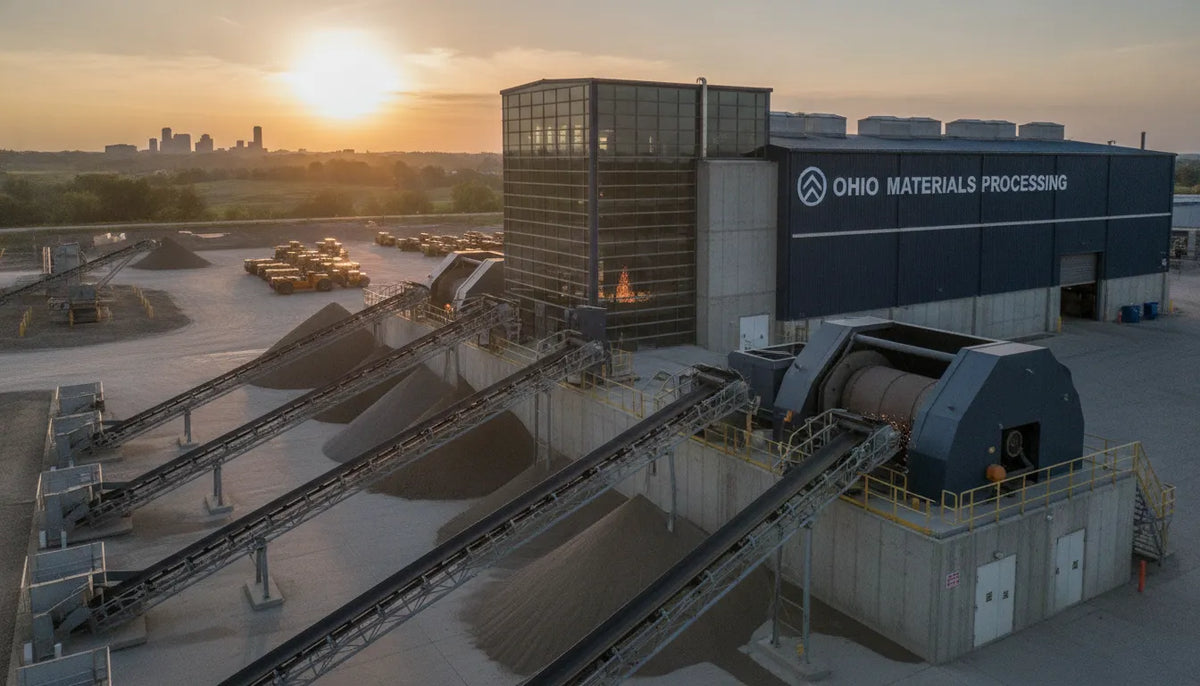
Grinders and screens are only part of the setup. Loaders feed material into the equipment, conveyors move it between processing steps, and other support equipment helps create stockpiles or load finished material for transport. Coordinating these machines can keep work moving and limit unnecessary handling.
Before processing starts, confirm which equipment the provider will bring and what your crew needs to supply. Discuss where incoming material will be staged, where the finished product will go, and whether trucks can reach both areas. Site layout, ground conditions, and available space can affect the equipment arrangement. Some providers bring support equipment for loading, stockpiling, processing, and trucking. Clarify which tasks are included in the quote, especially if hauling or moving material around the site is part of the plan.
Choose on-site or fixed-facility processing
On-site processing may suit projects with a large volume of material, enough room for equipment, and a practical place to store the finished product. Processing at the jobsite can reduce the need to haul unprocessed material away and bring usable material back. The provider will still need to assess access, site conditions, and any applicable requirements before confirming the setup.
A fixed facility may be a better choice if the site has limited space, difficult equipment access, or no suitable area for stockpiling. Compare the full logistics, including transport, equipment setup, processing, and delivery of the finished material. Ask whether the facility accepts your material and whether it needs to be sorted or prepared first. Providers may offer on-site crushing, screening, and grinding when bringing equipment to the project makes sense. Discuss both options before deciding, since hauling costs and site conditions can affect the total project cost.
Match equipment, screen size, and capacity to your material and product needs
Start with the material itself: identify what it is, estimate the volume, and note whether it contains soil, metal, rocks, or other debris. Then describe the result you need, such as mulch in a particular size range or reduced wood waste that is easier to handle. These details help a provider recommend a grinder, screen configuration, processing capacity, and any preparation the material may require.
Ask how the provider defines finished size and checks the output. Screen openings separate material by size, but natural materials can vary in shape and moisture. If the product will be sold, installed, or used on another job, explain the intended use and confirm that the proposed process suits your specifications. Share your schedule and expected volume, too. This gives the provider a clearer basis for planning equipment, staffing, and processing time, and helps you understand what the quote includes.
What Services Can Ohio Providers Offer?
Ohio providers may offer screening and grinding alongside mulch production, recycling, material supply, and hauling. Coordinating related services through one company can help simplify logistics, particularly when a project requires both processing and material delivery. Service options vary, so start by describing your material, estimated volume, location, and desired outcome.
Use Sagamore’s commercial screening, grinding, mulch production, and recycling services
Sagamore offers commercial screening and grinding to separate, size, and refine materials for project use, reuse, or resale. Screening can help create more consistent material by separating it into size ranges and removing oversized debris. Grinding reduces bulky material, making it easier to handle or prepare for another use.
For contractors, businesses, and municipalities managing large stockpiles, these services can support material recovery and reduce the amount that needs to be hauled away. Sagamore also produces mulch and recycles materials. The right process depends on what you’re bringing in and what you need the finished material to do. Review Sagamore’s commercial screening and grinding services, then share your material type, volume, and target use when requesting a quote.
Process greenwaste and foundry sand
Greenwaste, brush, wood waste, and land-clearing debris can take up valuable space before processing. Grinding breaks bulky organic material into smaller pieces, while screening can separate material by size. Sagamore uses horizontal grinding equipment to process wood waste, land-clearing debris, and other organic materials for mulch production. Its commercial processing services also cover materials such as topsoil, compost, concrete, and aggregates.
Foundry sand may also be suitable for processing, depending on its condition and the provider’s requirements. Before arranging service, identify the material’s source and ask whether testing or documentation is needed. Explain how you plan to use the processed material, too. The intended use can affect the required size, consistency, and handling process.
Arrange related services, including dump truck rental, gravel delivery, and material supply
Some Ohio providers can coordinate processing with other services your project needs. You might arrange screening or grinding alongside hauling, gravel delivery, or dump truck rental. Using one provider for connected tasks can simplify scheduling, but confirm which services are available at your location and whether they’re included in the quote.
Sagamore offers material supply, gravel delivery, dump truck rental, and concrete-related services in addition to processing. Other providers may bring equipment directly to a job site. For example, Mohawk Valley Materials’ on-site processing services include track-mounted screening and grinding equipment, as well as options such as dump truck rental and gravel delivery. Ask how loading, transport, and delivery will be coordinated before booking.
Verify accepted materials, service areas, equipment, and availability
Before making plans, confirm that the provider accepts your material, serves your project location, and has equipment suited to the material’s condition and volume. If you need a particular finished size or product, explain that when requesting a quote. This helps the provider assess the right equipment and processing approach.
Ask whether the work will take place on-site or at another location, and confirm the schedule, site access, and any preparation you’re responsible for. Pricing may depend on material type, volume, location, equipment, and transport. Sagamore’s service details can help you understand its offerings, but contact the provider to verify current availability and project requirements. A clear scope makes it easier to compare quotes and plan the work.
What Benefits Can Screening and Grinding Provide?
Produce consistent material sizes for specific uses
Screening separates material into size ranges and removes oversized pieces or unwanted debris. This helps create a more consistent product for uses such as mulch production, soil preparation, and aggregate handling. When the material is more uniform, it can be easier to stockpile, transport, and use on a job site.
The appropriate screen size depends on both the incoming material and the finished product you need. Before work begins, share your specifications with the provider and ask how they’ll check the processed material. Sagamore’s commercial screening services can sort material by size and remove oversized debris. If your project has specific quality requirements, confirm whether additional testing or checks are needed.
Reuse eligible materials and reduce disposal needs
Grinding can break down bulky brush, wood, and other suitable greenwaste into smaller material that may be reused as mulch, compost feedstock, or biomass. Screening can then separate the output by size. When the input material is suitable and there’s a use for the finished product, processing may reduce the volume sent for disposal and make better use of material already on-site.
Reuse depends on the material’s condition. Soil, wood, and greenwaste may contain contaminants or debris that affect what they can become, so check acceptance requirements before arranging service. Ask what products the process can produce and whether they fit your intended use. Sagamore outlines screening and grinding services for processing materials into reusable products, including mulch and compost feedstock.
Reduce handling and hauling with on-site processing
Processing material where it’s generated can reduce the need to move every load to a separate facility. This may simplify logistics for land-clearing, construction, and municipal projects with large volumes of brush, wood, or other accepted material. Fewer trips between the site and a processing location can also mean less handling for crews and equipment.
On-site processing isn’t right for every project. Check the equipment’s access and space requirements, where processed material will be placed, and whether the site can accommodate setup. Include equipment delivery, loading, site preparation, and any remaining hauling in your cost comparison. Reviewing a provider’s on-site processing options can help you decide whether bringing equipment to the project makes practical and financial sense.
Keep stockpiles and work areas manageable
Brush, wood waste, and other bulky material can quickly fill up valuable space and restrict movement around a work site. Grinding can reduce the volume of suitable material, while screening sorts it into more manageable sizes. Together, these services can help crews organize stockpiles and maintain room for equipment, deliveries, and other project work.
Before processing starts, plan where incoming material, machinery, and finished products will go. Keep clear routes for trucks and loaders, and identify areas that must remain accessible. Ask the provider how much material they can process during the scheduled work and whether moving or loading the finished product is included. Flexible commercial material processing can help manage changing stockpiles, but the site layout and work schedule should support the equipment and workflow.
How Do Ohio Providers’ Services and Prices Compare?
A useful quote should make it clear what the provider will process, which equipment they’ll use, and what work the price covers. Compare those details alongside the total cost, since two estimates may include different services. A little preparation before requesting quotes can help you identify the right fit for your material, site, and schedule.
Compare accepted materials, equipment capacity, service area, and included work
Describe the material you need processed, including its condition and any mixed debris. Providers may handle topsoil, compost, mulch, aggregates, organic materials, or asphalt millings, but accepted materials vary. Ask whether the provider can process your material and produce the size you need.
Check the equipment’s capacity and confirm whether the provider serves your location. Then ask what the quote includes, such as mobilization, operators, loaders, and cleanup. Sagamore Companies outlines a range of commercial screening and grinding services, which can help you frame questions about material types and project scope. Compare each provider against the same requirements so you can assess the service, not just the quoted price.
Ask whether pricing covers tonnage, time, equipment, or the full project
Ask how each provider calculates its price. A quote may be based on the tonnage processed, hours on-site, equipment use, or a defined project scope. Equipment costs alone may not include an operator, transportation, or support machinery, so check what the rate covers.
Request an itemized estimate that identifies included work and explains how extra work will be billed. For hourly pricing, ask when billing starts and whether setup or delays count. For tonnage pricing, confirm how weight is measured and whether there is a minimum charge. Clear answers help you compare estimates on equal terms and set a realistic project budget.
Account for material condition, volume, transport, site access, and setup
Material condition can affect how quickly a job proceeds. Wet, compacted, oversized, or mixed material may require extra handling or processing time. Give providers an accurate volume estimate and explain what is in the stockpile. Photos can also help them understand the job before preparing an estimate.
Describe site access, ground conditions, available work space, and any restrictions on trucks or machinery. Ask whether transport and equipment setup are included in the quote. Sagamore Companies identifies material condition, volume, transport, access, and setup as factors that can affect project pricing. Sharing these details early helps providers prepare a more accurate estimate and reduces the chance of scope changes once work begins.
Check minimum quantities, extra fees, and quote exclusions
Ask whether the provider sets a minimum charge or minimum quantity. Even a small job may involve equipment delivery and setup, which can affect the total cost. Confirm whether fuel, operator time, loading, cleanup, and moving material around the site are included.
Review the estimate for exclusions, then ask how the provider bills for delays, additional material, unsuitable loads, or changes to the requested finished size. Confirm whether hauling and disposal are part of the quote or need to be arranged separately. Get the answers in writing, along with any rates for extra work. A clear estimate helps you compare providers and plan for costs that might otherwise appear after the job is underway.
Compare on-site processing with hauling material to a facility
On-site processing can reduce the need to haul bulky material away and transport processed material back. It may also let you reuse suitable material where it was generated. First, check that the site has enough room for the equipment, stockpiles, and safe machine movement, and that the volume makes on-site work practical.
Taking material to a facility may suit sites with limited access or projects with smaller quantities. Compare the full costs of both options, including loading, processing, transport, return trips, and facility fees. Providers such as Mohawk Valley Materials offer on-site crushing, screening, and grinding. Ask about equipment access and scheduling to decide which approach best fits your material, site, and timeline.
How Can You Choose the Right Ohio Provider?
Choosing the right provider starts with a clear picture of your project. Consider what material you have, how much needs processing, what finished size or condition you need, and whether the work must happen on-site. A provider who understands those details can recommend suitable equipment and explain what the job will involve.
Before comparing quotes, prepare a short project brief. Include the material type and condition, estimated volume, preferred schedule, site location, and intended use for the processed material. Ask each provider the same questions, then compare what the quote includes, not just the total price. Check whether it covers mobilization, setup, processing, cleanup, hauling, or delivery. If any part of the job depends on another contractor or facility, confirm who will coordinate it.
These steps help you assess whether a provider is a good fit for your work, from a one-time landscape project to ongoing commercial material processing.
Confirm experience with your material and its intended use
Ask whether the provider has processed your specific material before, such as greenwaste, brush, mulch, foundry sand, soil, or aggregates. The right processing method depends on the material’s condition and what you want to do with the finished product. For example, producing reusable mulch may call for different size and cleanliness requirements than preparing material for hauling or further processing.
Describe your intended use and ask what result the provider can deliver. A provider such as Green Vision Materials describes screening and grinding solutions for commercial contracting needs. Use that as a prompt to ask Ohio providers about comparable projects, equipment, and the finished material they can produce. If your material includes mixed or unusual loads, explain that upfront so the provider can confirm whether it is suitable.
Ask about equipment condition, capacity, scheduling, and reliability
Ask what equipment the provider plans to use and whether it can handle your material volume and target size. A provider should be able to describe its expected production capacity, any limits, and what could affect output. Ask how the crew responds to equipment issues or delays, particularly when processing is tied to a construction schedule, site cleanup, or another crew’s work.
Confirm the expected arrival time, setup requirements, and processing schedule. Find out whether the provider has support equipment available, such as loaders or conveyors, and whether the site needs to be prepared before the crew arrives. Ask what access, space, and ground conditions the equipment requires. Clear answers help you plan around the work and understand whether the provider can meet your project timeline.
Review customer feedback and clarify who checks quality
Look for feedback from customers with projects similar to yours. Reviews can offer insight into communication, scheduling, and how a provider responds when project needs change. Give more weight to comments that describe the material or service involved than to a rating alone. You can also request references from contractors or commercial customers who have hired the provider for comparable work.
Ask who checks the processed material and how they confirm it meets your requirements. Find out whether the crew monitors size and consistency during processing, and how you can review the result before the job wraps up. If you need material for a specific use, share those requirements before work begins and agree on how the provider will assess the finished product. Put the quality expectations and any approval steps in writing.
Ask how the provider handles contaminated or unsuitable material
Tell the provider about any known contamination, mixed loads, or material that may not be suitable for processing. Ask what materials they accept, what needs to be separated in advance, and whether they inspect the material before starting. Sharing this information early can help the provider plan the work and explain any additional handling the job may require.
Also clarify what happens if the crew discovers unsuitable material on-site. Ask whether work will pause while you decide how to proceed, and whether the material can be separated, redirected, or hauled to an appropriate facility. Sagamore Companies outlines how screening can improve material consistency, but acceptance rules vary by provider and material. Confirm the agreed process, responsibilities, and possible handling or disposal charges before booking.
Choose a provider who can coordinate processing, recycling, hauling, or delivery
Ask whether one provider can manage several parts of the project, such as on-site screening or grinding, recycling, hauling, and delivery. Coordinating these services through one contact may simplify scheduling and reduce the time you spend arranging separate crews. If you also need materials for the job, ask whether the provider supplies mulch, topsoil, stone, sand, or gravel, or offers dump truck rental.
On-site service can be useful when moving material to a facility would add extra handling. For example, Mohawk Valley Materials describes on-site crushing, screening, and grinding, showing the type of work providers may be able to bring to a job site. For an Ohio project, confirm the service area, accepted materials, equipment availability, and who is responsible for transport. Get the scope and schedule in writing.
What Should You Confirm Before Booking?
Before scheduling screening or grinding, make sure you and the provider agree on what needs processing, what the finished material should look like, and how the work will happen. A clear plan helps the provider select suitable equipment and prepare an accurate quote. It also gives your crew time to get the site ready and coordinate other deliveries or work.
Gather basic project details before you request pricing: the material type, approximate volume, its condition, your target size, and where the finished product will be used. If you can, share photos of the material and the work area. Mention any known contaminants, access restrictions, or deadlines, even if you are unsure whether they will affect the job. It is better to confirm those details in advance than to resolve them after equipment arrives.
For on-site work, discuss how material will move through the processing area and where finished product and rejected material will go. Confirm which tasks are included in the quote, such as setup, loading, hauling, or disposal. Providers may price work differently based on material, volume, location, and whether processing takes place at your site or at a facility. Ask for the quote and responsibilities in writing so everyone is working from the same plan.
Share the material type, volume, condition, and target size
Describe the material as specifically as you can. It might be greenwaste, brush, mulch, soil, foundry sand, or aggregate. Estimate the amount to be processed and explain its condition, including whether it is wet, compacted, mixed with roots, or contains large pieces. Photos can help a provider assess the stockpile and identify questions before preparing a quote.
Then explain the size or consistency you need from the finished product. For example, a landscaping project may call for a particular mulch grade or screened soil, while another job may require material prepared for further processing. These details help determine whether grinding, screening, or both are suitable. Sagamore’s commercial screening and grinding services identify material type, volume, and condition as useful details when planning a project.
Clarify quality requirements and where processed material will go
Explain how you plan to use the finished material and who will use it. A contractor preparing a landscape bed may have different requirements from a business reusing material as fill or sending it for additional processing. Share any specifications for particle size, consistency, or cleanliness before work begins.
Ask how the provider will check the finished product and handle oversized or unsuitable pieces. Screening can separate material by size and remove debris, but the result depends on the input material and the agreed specifications. Confirm what the provider considers acceptable, and discuss what will happen if the processed material does not meet your needs. This is especially important when the material is intended for a customer, a construction project, or a defined landscape application.
Confirm site preparation, equipment access, timing, and responsibilities
For on-site processing, identify where equipment will work and how trucks, loaders, and machinery will reach the stockpile. Check for firm ground, overhead clearance, turning space, and room to stage both unprocessed and finished material. Let the provider know about narrow entrances, active work areas, scheduled deliveries, or other restrictions that could affect access.
Agree on the work date and clarify who will prepare the site, move the material, operate support equipment, and coordinate traffic or safety needs. Also ask whether setup or equipment mobilization affects the schedule or quote. Mobile equipment can be brought directly to a job site, as described in Mohawk Valley Materials’ overview of on-site crushing, screening, and grinding. Discuss these logistics with your provider before booking.
Check handling and disposal requirements before processing
Ask which materials the provider accepts and how contaminants or unsuitable loads are handled. Mixed debris, treated wood, or unexpected waste may need to be separated, removed, or managed through a different service. Tell the provider about anything you know is in the stockpile, and agree on who will make decisions if unexpected material is found during processing.
Request a written quote that explains what is included, such as processing, loading, transport, equipment setup, and disposal. Confirm whether the price is based on volume, tonnage, time, or a project rate, and ask about minimum charges or additional fees. Costs can vary with material type, quantity, location, and whether processing happens on-site or at a facility. Before work starts, clarify where rejected material will go and who is responsible for its handling.
Frequently Asked Questions
What’s the difference between screening and grinding?
Grinding breaks bulky material into smaller pieces. Screening sorts material by size and can separate oversized pieces or debris. Some projects use one process, while others need both.
Can screening and grinding be done on-site?
It may be possible when the project has suitable access, enough room for equipment and stockpiles, and a material volume that makes on-site processing practical. Ask the provider to review your site and compare on-site work with processing at a facility.
What information should I provide when requesting a quote?
Share the material type, estimated volume, condition, project location, and intended use for the finished material. Photos, target size requirements, site details, and scheduling needs can help the provider plan the work and estimate costs.
Can processed material be reused?
Some material may be suitable for uses such as mulch, compost feedstock, or further processing. Reuse depends on the material’s composition and condition, so confirm the provider’s acceptance requirements and whether the finished product will meet your needs.
What can affect the cost of commercial screening or grinding?
Pricing may depend on the material, volume, site access, equipment, transportation, and whether the work takes place on-site or at a facility. Ask for a written quote that explains what’s included, along with any minimum charges or additional fees.
